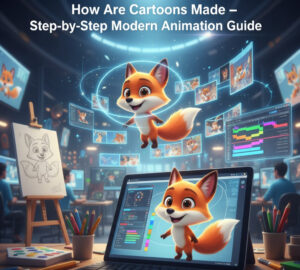
Have you ever sat with a child watching their favourite show and wondered, How are cartoons produced? These colourful characters, exciting adventures, and playful sound effects don’t just magically appear on screens. Behind every episode of kids’ cartoons lies a detailed, creative, and technically rich journey known as the animation process.
In this comprehensive guide, we’ll take a deep dive into how animation is created, breaking it down into easy-to-understand stages while keeping things enjoyable and conversational. From the first spark of an idea to the final polished episode, you’re about to uncover the fascinating world of cartoon series production.
What Does “How Are Cartoons Made” Really Mean?
When people ask how cartoons are made, they’re really asking about the complete journey of transforming simple ideas into moving stories. It involves writing, drawing, designing, animating, editing, and adding sound to bring characters to life. The entire animation pipeline seamlessly combines artistic imagination and cutting-edge technology.
This process applies to everything from short clips to full-length movies, whether it’s 2D animation, 3D animation, or digital motion graphics.
A Brief History of Kids’ Cartoons
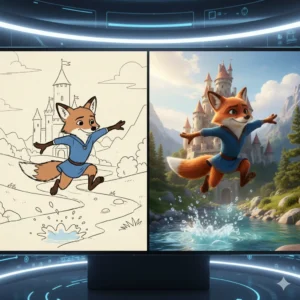
Before modern tools existed, animators relied on hand-drawn sketches and frame-by-frame animation. Each picture was slightly different, creating the illusion of motion when played rapidly. Today, while the core concept remains the same, the tools have evolved into sophisticated digital animation techniques that make production faster, smoother, and more vibrant.
Early cartoons used paper and ink, while modern studios rely on animation software and 3D modelling to streamline series productions.
Step 1: Concept Development and Idea Generation
Everything starts with an idea. This stage involves brainstorming themes, characters, and storylines suitable for kids’ cartoons. The creative team decides the show’s tone, target age group, and educational or entertainment goals.
This phase answers key questions like:
- What is the core message?
- Who is the main character?
- What world does the story exist in?
Strong concepts are the foundation of successful cartoon series production.
Step 2: Scriptwriting – Giving the Story a Voice.
After settling on an idea, writers craft scripts that incorporate captivating dialogue and a clear storytelling framework. This is where humour, emotion, and character development shine.
Scripts guide the entire animation process, ensuring consistency and clarity in the story’s flow. Without a solid script, even the best visuals can fall flat.
Step 3: Character Design Bring Life to Imagination
The most exciting part of creating cartoon movies is character design. Artists sketch characters multiple times, refining proportions, expressions, and style to fit the show’s personality.
Each character needs to be memorable, relatable, and visually appealing. Whether it’s a talking animal or a brave superhero, design helps define their identity.
Bold creativity and unique visual style make cartoons stand out in a crowded industry.
Step 4: Storyboard Creation Visual Planning
Storyboard creation is like creating a comic book version of the episode before animation even begins. This step breaks down each scene visually, showing camera angles, character positions, and action sequences.
It’s a blueprint for the animation team and ensures smooth storytelling. Think of it as a visual roadmap within the step-by-step animation journey.
Step 5: Voice Recording and Audio Direction
Before characters move, their voices are recorded. Voice actors add emotion, humour, and authenticity to their characters. Their performances guide the animation timing and expressions.
Good voice acting ensures kids’ cartoons feel lively and emotionally engaging rather than robotic or flat.
Step 6: The Core Animation Process
This is the heart of how animation is created. Here’s where drawings or 3D models are transformed into moving visuals.
2D Animation
In 2D animation, artists draw characters frame by frame. Each frame is slightly different, creating fluid motion when played together. This style is often used in traditional kids’ cartoons.
3D Animation
3D animation involves digital modelling and rigging. Characters are sculpted in a 3D space, then animated using software like Blender or Maya. This method creates more realistic movement and depth.
Frame-by-Frame Animation
This technique gives animators precise control, allowing detailed expressions and natural motion. It’s time-consuming but visually stunning when done correctly.
Each method has its charm and contributes uniquely to cartoon series production.
Step 7: Motion Graphics and Special Effects
Motion graphics add sparkle to a scene. Explosions, magical glows, weather effects, and dynamic transitions are all part of this phase. These elements enhance storytelling and keep kids visually engaged.
When used wisely, motion graphics elevate an episode from ordinary to unforgettable.
Step 8: Editing and Post-Production
Editing ties everything together. Animators refine timing, fix inconsistencies, balance colors, and synchronise audio. Background music and sound effects are layered to enhance immersion.
This step ensures the cartoon maintains high-quality standards before it reaches the audience.
How Are Cartoon Movies Made Differently?
While the fundamental process remains similar, how cartoon movies are made involves a much larger scale. Movie production includes advanced rendering, higher animation detail, and longer production timelines.
Feature films often take years to complete, involving massive animation teams and complex workflows to achieve cinematic-level quality.
How to Make a Cartoon Series from Scratch
If you’re wondering how to make a cartoon series, here’s a simplified overview:
- Develop a unique concept
- Write pilot scripts
- Design characters and environments
- Create storyboard layouts
- Record voiceovers
- Animate scenes
- Add sound and visual effects
- Edit and finalise the episodes.
This structured, step-by-step animation approach keeps production organised and efficient.
The Role of Technology in Modern Animation
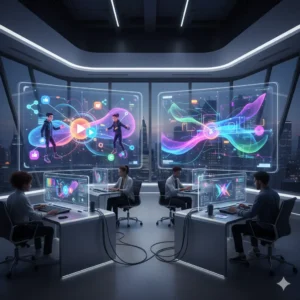
Modern cartoons rely heavily on digital animation techniques. Software such as Adobe Animate, Toon Boom, and Cinema 4D speeds up production while allowing creative flexibility.
Advanced artificial intelligence tools now help automate repetitive tasks while preserving creativity and storytelling integrity.
Behind the Scenes of Kids’ Cartoons
Making kids’ cartoons isn’t just technical; it’s emotional storytelling tailored for young minds. Producers and designers should consider colours, pacing, themes, and character behaviours that are developmentally appropriate and engaging.
Educational content is often woven seamlessly into entertainment to balance fun and learning.
Common Challenges in Cartoon Series Production
Despite advanced tools, challenges still exist:
- Tight deadlines
- Budget constraints
- Maintaining visual consistency
- Creative disagreements
Overcoming these obstacles requires teamwork, planning, and flexible creativity.
The Future of Animation and Kids’ Cartoons
Animation appears to have a promising future. Virtual reality, immersive storytelling, and AI-assisted animation promise more engaging experiences. Kids’ cartoons will become more interactive, visually stunning, and emotionally rich.
The evolution of digital platforms expands access to global audiences, thereby creating opportunities for independent creators.
Why Understanding the Animation Process Matters
Understanding the animation process enables viewers to appreciate the immense effort that goes into creating each episode or movie. It highlights the mastery of artists and technicians who bring imaginary worlds to life.
This awareness also inspires young minds to explore animation as a creative career path.
Tips for Aspiring Cartoon Creators
If you dream of creating your own cartoon, start by:
- Practice drawing daily.
- Learning animation software
- Studying storytelling techniques
- Observing professional animation styles
Passion, persistence, and creativity are your most powerful tools.
Conclusion
Understanding how are cartoons made opens a window into a world of creativity, teamwork, and innovation. From initial concept development to final post-production, every step in the animation process contributes to the magic kids see on their screens. Whether through 2D animation, 3D animation, or digital animation techniques, the journey is as fascinating as the cartoons themselves. With evolving technology and growing demand, the future of animation remains exciting, offering endless possibilities for storytellers and dreamers alike.
FAQS
1. How are cartoons made for kids in today’s digital age?
Modern kids’ cartoons are created using a powerful blend of storytelling and technology. The process starts with concept development, followed by storyboard creation, character design, and then digital animation. Today’s studios use advanced software to accelerate the animation process while maintaining vibrant visuals and smooth motion that keep children entertained and emotionally connected.
2. What is the complete animation process for beginners to understand?
The animation process flows through clear stages: idea → script → design → storyboard → voice recording → animation → effects → editing. This step-by-step animation system ensures every cartoon feels structured, entertaining, and visually appealing, even for first-time viewers or aspiring creators.
3. How are cartoon movies made differently from cartoon series?
Cartoon movies are made with higher budgets, longer production cycles, and more detailed animation quality. While series focus on episodic storytelling, movies emphasise cinematic visuals, advanced motion graphics, and deeper emotional storytelling, making them more immersive and stunning.
4. Can anyone learn how to make a cartoon series from scratch?
Yes! With the rise of digital animation techniques, anyone can start learning how to make a cartoon series. All you need is creativity, basic drawing skills, storytelling knowledge, and animation software. Practice and consistency transform beginners into skilled animators.
5. Which animation style is best for kids’ cartoons: 2D or 3D?
Both styles are powerful. 2D animation offers a classic artistic feel perfect for storytelling, while 3D animation delivers realistic depth and dynamic movement. The best style depends on the cartoon’s theme, audience, and production vision.
6. Please let me know the typical timeframe for creating a single cartoon episode.
A single cartoon episode can take anywhere from 2 weeks to several months depending on complexity. Voice recording, frame-by-frame animation, and post-production refinement all contribute to the timeline of professional cartoon series production.
7. Why is storyboard creation important in how animation is created?
Storyboard creation acts as the visual blueprint of the entire cartoon. It maps scenes, camera angles, and character actions before animation begins, ensuring smooth storytelling and preventing costly mistakes later in the animation pipeline.